


Heat waves and hospitality – how do temperature extremes affect the UK’s foodservice industry?
Marie Doughty
02 July 2026
“If you can’t stand the heat, get out of the kitchen”. It’s a phrase that we are all familiar with, but is a luxury unavailable those who work in our favourite eateries. We are taking a look at how extreme temperatures affect the hospitality industry and what can be done to help.
Are heat waves the new norm?
The Met Office’s most recent State of the UK Climate report, published last year, advised that record breaking weather events are becoming more frequent and that temperature extremes are here to stay. The UN’s IPCC (Intergovernmental Panel on Climate Change) predicts that within 25 years, areas of England could regularly experience summer temperatures of 40°C.
Our climate has warmed steadily from the 1980s onwards but the newest danger comes from the frequency and intensity of daily temperature extremes. These aggressive peaks create health risks and endanger food security.
Why a few degrees can make a big difference to hospitality
Under ‘normal’ conditions, commercial kitchens are often cramped, poorly ventilated and, by design, filled with multiple heat sources. Under UK law there is no legal upper temperature limit for a work environment and there is often little that employers can do to make staff more comfortable.
With the spikes associated with heatwaves layered on top of the usual high kitchen temperatures, the working environment can become pressurised.
It is not just staff that feel the strain. Many businesses are tempted by the lower initial outlay of a semi-domestic refrigeration option without considering the longer terms costs associated with higher ambient temperatures:
- Increased risk of breakdown and associated repair costs
- Loss of earnings resulting from food waste
- Reputational damage from food spoilage
How can businesses protect themselves?
Soho’s ALTA is a leading exponent of open fire cooking. Investing in powerful, commercial grade refrigeration has given them the security and confidence they need to focus on their dining experience given that their baseline kitchen temperature is already elevated.
Choosing equipment that is rated for climate class 5 (for example solid door EcoPro G3 cabinets and counters) in a high intensity cooking environment is essential. These robust models are tested to operate in a maximum ambient temperature of 40°C and a relative humidity of 40% with the high frequency of door openings that you would expect in a busy kitchen.
Can heat waves bring good news for hospitality too?
For the UK, yes. Recent trends have shown travellers avoiding hotter countries as holiday destinations resulting in a rise in staycations. On the hottest of days many will swap the heat of their own kitchens for an air-conditioned restaurant or beer garden, providing our hospitality outlets with a welcome boost in trade.
Want to learn more?
See how this independent deli in a Norfolk seaside town is thriving in peak Summer temperatures whilst others are struggling.
Discover More Chef Stories
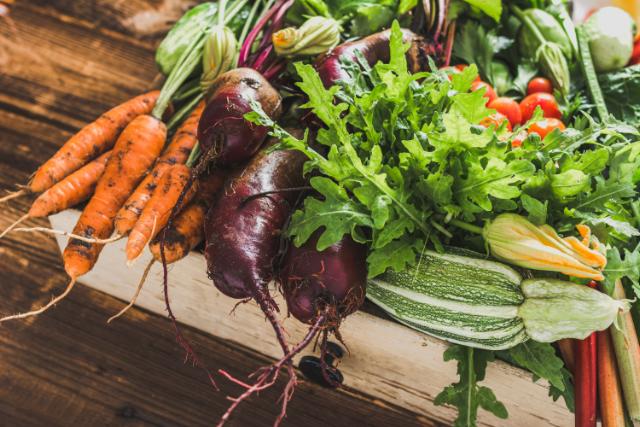
Building an ecosystem: What local sourcing means for rural kitchens
What does 'locally sourced' actually mean? Explore the logistical hurdles, seasonal patience, and community ties defining rural kitchens across North Norfolk.

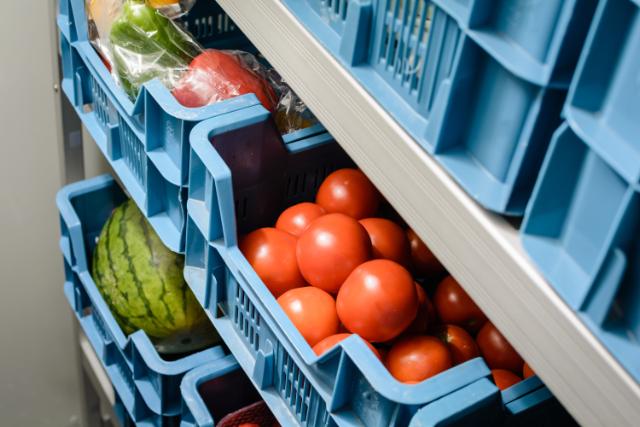
How watching the pennies pays for the perfect plate
Running a commercial kitchen has never been more demanding. With soaring energy costs, unpredictable supply chains, and tightening budgets, operators are constantly looking for ways to protect their cash flow.

Issac Rushworth Orange Tree
A standout destination on the North Norfolk coast , The Orange Tree in Thornham is driven by Head Chef Isaac and owner Mark , offering diners a focused menu that perfectly balances modern techniques with outstanding local produce.


Daniel Smith The Ingham Swan
Entrepreneur and businessman, Daniel, focuses on an ingredients-led cooking approach to keep his focus.


Lewis King The Old Bank
Passionate and local chef honours classic British food, delivered excellently.

Kevin Mangeolles The Neptune
A corner stone of the Norfolk Coastal dining scene, The Neptune is a long established restaurant operated by Kevin and Jacki, who provide guests with a warm experience and beautiful food.

Greg Anderson of Meadowsweet
Famed for service excellence and local produce, Greg shares what makes operating an independent restaurant in North Norfolk so special.


Lee Tyler Restaurant 1812
A hidden gem of the Norfolk Broads, Restaurant 1812 is the epitome of fine dining and comfortable guest experience.