


The 5-step commercial kitchen food waste checklist for Simpler Recycling business compliance
Meet UK Simpler Recycling rules and cut disposal costs. Follow our 5-step food waste checklist to segregate organic waste, stay compliant, and protect margins.
Running a commercial kitchen is about much more than what goes onto the plate. Increasingly, it is about what is left on it.
Managing organic scrap is no longer just a clever way to protect your gross profit margins. A major legislative shift across Great Britain has turned back-of-house waste segregation into a strict legal requirement.
Enacted under the Environment Act 2021 (amending the Environmental Protection Act 1990), the UK Government’s Simpler Recycling mandate legally requires commercial catering operations to separate organic food waste from general refuse streams.
At Foster Refrigerator, we know that new statutory mandates can feel like an administrative headache when you are focused on service.
However, treating waste management as a core operational discipline directly protects your cash flow and strengthens your long-term bottom line, aligning with our own commitment to sustainability and science-based targets (SBTi).
Understanding the statutory compliance timeline
The UK food service sector is transitioning towards mandatory circular waste management.
The exact rules vary by nation, but the trajectory across Great Britain is clear: dumping food waste into general refuse is no longer legal.
Mandatory source-segregation of organic food waste and dry recyclables is already a legal requirement across England for all workplaces and non-household municipal premises with 10 or more Full-Time Equivalent (FTE) employees.
Starting 31 March 2027, this requirement will extend to micro-firms with fewer than 10 FTE employees, including independent cafés, delis, and small pubs.
If you operate a commercial kitchen in England, you can no longer legally throw food scraps into general waste bins or flush organic material down sinks using macerators.
Contracting a licensed waste carrier and maintaining two years of Waste Transfer Notes is now a basic legal requirement.
The true financial toll of commercial kitchen waste
Food waste is one of the largest hidden drains on hospitality profitability.
According to industry data from WRAP, the UK hospitality and food service sector generates 1.1 million tonnes of food waste annually.
This environmental loss carries an enormous economic cost:
- The direct sector cost: Food waste costs UK hospitality £3.2 billion every year, translating to an average direct loss of £10,000 per site annually.
- The indirect landfill penalty: Sending organic waste to landfill costs individual hospitality enterprises up to £50,000 annually in indirect overheads, including inflated haulage fees, wasted energy, water, and lost labour.
- The segregation saving: Establishing effective source-segregation and recycling protocols saves businesses up to £7,000 per year in waste management charges alone, as heavy organic waste is removed from expensive general waste containers.
- The verified return on investment: WRAP data confirms that every £1 invested in food waste reduction measures yields an average operational return of £14.
Reducing waste at the source and segregating what remains gives you direct control over your daily operating costs. To explore further practical ways to cut back-of-house operational expenses, download our Free Energy Saving Toolkit.
Case Study: Circular Waste Workflows at The Old Bank
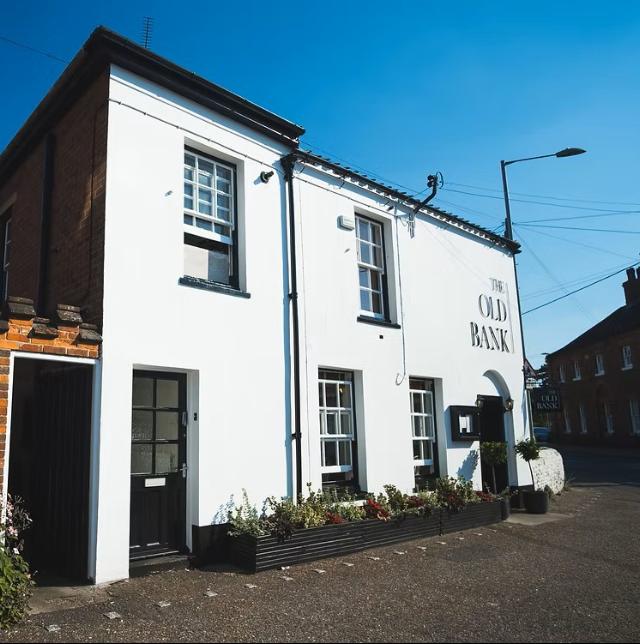
At Michelin-listed The Old Bank in Snettisham, Chef Patron Lewis King has integrated waste reduction directly into his kitchen's operational DNA.
By shifting from a traditional a la carte setup to a selective tasting menu, the kitchen has drastically minimised the unpredictable stock spoilage and fluctuating food costs that often drain a restaurant's margins. The brigade operates a strict zero-waste protocol: 100% of vegetable scraps are separated into dedicated compost buckets out back, while raw meat trimmings are incorporated back into the menu, and fish bones and crab shells are boiled down into rich signature sauces. This rigorous source-segregation shows how independent teams can seamlessly build compliant, circular waste workflows into their daily service.
Your 5-step commercial kitchen food waste compliance checklist
Complying with Simpler Recycling rules does not require overhauling your entire service workflow.
Use this 5-step operational checklist to get your kitchen fully compliant while protecting your profit margins:
1. Conduct a back-of-house waste audit
- Track where your waste originates across three main categories: prep trimmings (45%), customer plate leftovers (34%), and shelf-life spoilage (21%).
- Identify high-volume prep waste and adjust menu ordering or prep techniques to increase raw ingredient yields.
2. Establish dedicated segregation stations
- Place clearly labeled, colour-coded food waste caddies directly at prep stations, wash-up areas, and dish-clearing passes.
- Ensure no plastic packaging, glass, or metals contaminate the organic waste bins, as contaminated loads are rejected by AD processors.
3. Partner with a licensed commercial waste carrier
- Ensure your waste collection contractor is officially registered and delivers your food waste to an accredited Anaerobic Digestion facility.
- Store electronic or physical copies of all Waste Transfer Notes for a minimum of two years to satisfy local authority audits.
4. Protect stock longevity with precision cooling
- Eliminate the 21% of food waste caused by inventory spoilage by maintaining strict cold chain integrity.
- Invest in high-performance storage cabinets and blast chillers engineered to hold precise temperatures during peak service heat, preventing premature spoilage of delicate ingredients.
5. Train staff on standard operating procedures
- Brief kitchen and front-of-house teams on mandatory waste segregation during daily briefings.
- Make waste management part of your kitchen’s daily routines alongside core food safety protocols.
Take control of your back-of-house efficiency
Compliance with UK food waste laws is not just about avoiding penalties; it is an opportunity to streamline your kitchen, lower your waste collection bills, and improve your gross profit margins.
At Foster Refrigerator, we engineer commercial refrigeration, counters, and blast chillers that help you preserve ingredient quality, eliminate spoilage, and run an efficient back-of-house operation.
Is your kitchen running as efficiently as possible?
Book your free Foster energy audit today to identify hidden running costs and start protecting your monthly cash flow.