

Building a Commercial Kitchen: The Essential Infrastructure Guide
Opening a new site or refurbishing an existing kitchen is one of the largest capital investments a hospitality business will make. It can be overwhelming, but the difference between a chaotic service and a profitable one often comes down to one thing: Flow.
Getting the right layout is crucial, but filling that layout with the right infrastructure is just as important.
Forget the smallware—you know you need knives and pans. We are looking at the heavy lifting infrastructure: the equipment that defines your capacity, your speed, and your running costs.
Here is your guide to equipping a high-performance commercial kitchen, zone by zone.
Zone 1: Goods In & Bulk Storage
The Priority: Maximising shelf life and security.
This is where your profit lives before it hits the plate. If your storage is inadequate, you lose money to spoilage before you’ve even started cooking.
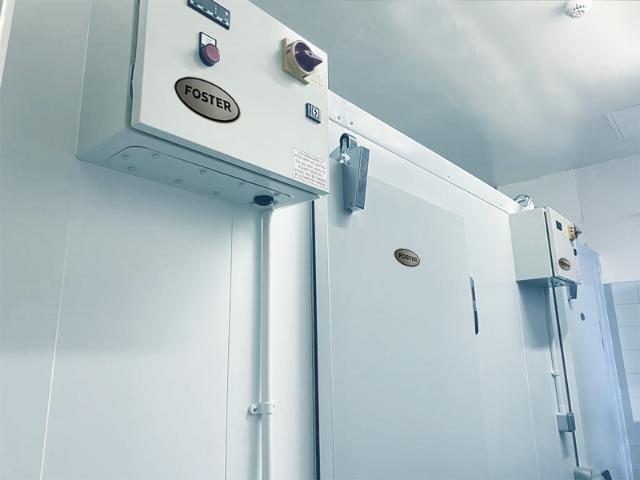
- Walk-In Coldrooms: For high-volume sites, a Coldroom is more efficient than multiple upright cabinets. It allows for bulk buying and easy stock rotation.
- High-Density Shelving: Hygiene-rated shelving that can withstand heavy loads (flour sacks, oil drums) is essential. Look for systems with removable, dishwasher-safe slats for easy cleaning.
- Dry Store: Often overlooked, but critical. Ensure this area is cool, dry, and vermin-proof.
Zone 2: The Prep Section
The Priority: Efficiency and temperature safety.
The "Mise en place" station. This is where the hard work happens before service starts. The goal here is to minimise movement—chefs shouldn't be walking across the kitchen to fetch ingredients.
- Prep Counters: The smartest investment for a tight kitchen. Counter Refrigeration combines a robust, food-safe worktop with refrigerated storage underneath. Your ingredients are right at your knees, reducing travel time.
- Gastronorm (GN) Compatibility: When buying "smallware" (containers, trays), ensure everything is GN standard. You want a container that fits your prep fridge, slides into your combi oven, and fits your blast chiller without ever needing to transfer the food.
Zone 3: The Cook Line
The Priority: Versatility and power.
The "hot line" is usually the most expensive area in terms of energy consumption. Modern equipment focuses on doing more with less space.
- The Combi Oven: The workhorse of the modern kitchen. Replacing the need for a separate steamer and convection oven, a good Combi can roast, steam, poach, and bake.
- The Range: Whether you choose gas (for instant heat control) or induction (for energy efficiency and a cooler kitchen environment), ensure your hob space matches your cover count.
- Salamander Grill: Essential for finishing dishes and glazing, usually mounted at eye level to save counter space.
Zone 4: Food Safety & Yield Protection
The Priority: Compliance and profit protection.
This equipment bridges the gap between prep and service, ensuring you maximise the yield from your ingredients.
- The Blast Chiller: No longer just for large caterers. A Blast Chiller is indispensable for any kitchen cooking fresh food. It allows you to cook in batches during quiet times, chill rapidly through the "danger zone," and regenerate during service. It reduces waste and keeps you compliant.
- Storage Cabinets: For ingredients accessed frequently during service, Upright Cabinets (like the EcoPro G3) placed near the line ensure chefs have rapid access to stock without leaving their station.
Zone 5: The Pass & Service
The Priority: Speed and quality assurance.
The final checkpoint. Equipment here ensures that the hot food stays hot and the cold food stays cold until it reaches the guest.
- Heated Gantry/Hot Cupboard: Essential for plate warming and holding finished dishes. Cold plates kill hot food.
- Service Refrigeration: Dedicated under-counter units for garnishes, creams, and finishing herbs ensure the final touches are fresh.
Zone 6: Warewashing & Hygiene
The Priority: Speed of turnover.
If the plates don't get cleaned, the food doesn't get served. This area needs to be a seamless loop.
- The Dishwasher: Pass-through hoods are standard for speed, but under-counter units work for bars/cafes.
- Grease Management: A legal requirement. Grease traps (GRUs) prevent fats and oils from blocking the mains, saving you from expensive emergency plumbing call-outs.
Need help planning the flow?
Equipping a kitchen is about more than just buying boxes; it's about creating a system that works. Talk to our experts about your kitchen planning questions or to find a dealer near you.