


Jump to section:
In conversation with Foster Refrigerator
Tucked away on the Norfolk coast in the quiet seaside town of Hunstanton, The Neptune has quietly built a reputation for exceptional dining, ran by Kevin (Chef) and Jacki (Service), who've been at the helm for nearly two decades.
What makes The Neptune special isn’t just the food, but the philosophy, the story, and the deeply rooted connection to the local landscape.
We recently visited Kevin to talk about his journey, his love for local producers, and how he uses thoughtful storage and smart organisation to run an efficient, sustainable kitchen.
Q: Kevin, thanks for joining our Chef Q&A series. Could you briefly introduce yourself?
Kevin: Well, I’m basically just a chef! I’ve been at The Neptune for 19 years now—partly thanks to luck, as my wife Jackie and I actually received the details for the place by mistake when we were looking in Norfolk.
We had no prior connection to the area, but we fell in love with it. It wasn’t easy at first, but it turned out to be the best decision we’ve ever made.

Q: What originally inspired you to pursue professional cooking?
Kevin: Academics were never for me, I started out washing dishes and loved the kitchen environment. Even though I failed my catering college exam, my gran said, “Don’t worry, people will always need to eat,” which stuck with me.
Later, I worked with a chef in Edinburgh who completely changed how I saw cooking. He brought professionalism and excitement into the kitchen, and he was the person who really sparked my passion and made me take the job seriously.
Q: The Neptune is known for its exceptional produce and relaxed fine-dining experience. How would you describe your philosophy?
Kevin: Simple: buy the best ingredients you can, and try not to mess them up. We keep things relaxed... there’s just me and Jackie, and I even serve the food. It removes that stuffiness people sometimes expect with Michelin-level dining. What matters most is that guests feel comfortable and walk away believing their experience was worth it.
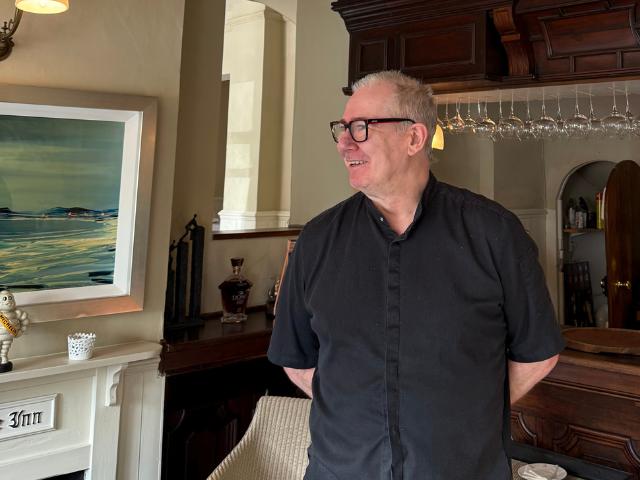
Q: You’re surrounded by amazing farmers, growers, and fishermen. How do you approach sourcing?
Kevin: You can buy anything from anywhere these days, but when someone turns up at your door with mussels they’ve harvested themselves and say, “These are ready,” that’s special. I only use local mussels when they’re naturally in season. Same with asparagus from a grower who used to wash up for me—he now turns up with beautiful produce (and cherries from his three cherry trees!). There’s a story behind the food, and I love that. It’s personal, not transactional.
Meet the Chef: Kevin Mangeolles
A corner stone of the Norfolk Coastal dining scene, The Neptune is a long established restaurant operated by Kevin and Jacki, who provide guests with a warm experience and beautiful food.
Q: High-quality ingredients come with real costs. How do you manage that balance?
Kevin: It’s part of a chef’s education. Waste matters—managing yield, using ingredients properly, and understanding value. I learned early on that you can be the best chef in the world, but if the business fails, it means nothing. Rule number one: stay in business. After that, you can be as creative as you like.
Q: Do you have any tips for minimising waste and maximising ingredient life?
Kevin: A vacuum-pack machine is a massive help. It buys you a couple of extra days. Curing helps too. We buy small amounts twice a week because we’re only open four days. And because I’m the only chef, it’s easier to stay organised... there’s no mystery out-of-date produce appearing because someone didn’t rotate stock!
Behind Every Great Chef is Foster
Welcome to Chef’s Corner. A showcase of the people and passion behind Norfolk’s most inspiring eateries.
For over five decades, Foster has proudly served British kitchens, now, we’re celebrating the talent and tenacity that makes them thrive.
Q: You’ve been here almost 20 years. How has the local dining scene evolved?
Kevin: It’s improved massively. When we arrived, there was only Morston Hall with a Michelin star, and Galton was incredibly supportive in sending customers our way. Now, there are several excellent restaurants. That creates a real destination—when an area has multiple great places, it draws more people in and boosts the local economy.

“Advice I’d give to other chefs is to be open and more helpful to other people, it builds an important community.”
Q. It sounds like there’s a strong sense of community between chefs here?
Kevin: Definitely. Galton changed my mindset on that. When I was younger, chefs were competitive - you’d think everyone else was rubbish. But here there’s more openness, more support. We're all working in the same community together.
Q. Finally, what keeps you motivated after nearly two decades?
Kevin:
I still enjoy cooking. Success, for me, is running a sustainable business and giving people memorable experiences so they come back. I’m happy where I am - no need to go faster or bigger.
In future, maybe I’ll do more volunteering and give back to the community. That appeals to me.
Thank you to Kevin and The Neptune for participating.
These are principles echoed by Foster. Even the best produce can spoil without proper storage – so to be sure you’re partnering with the best.
Discover More Chef Stories
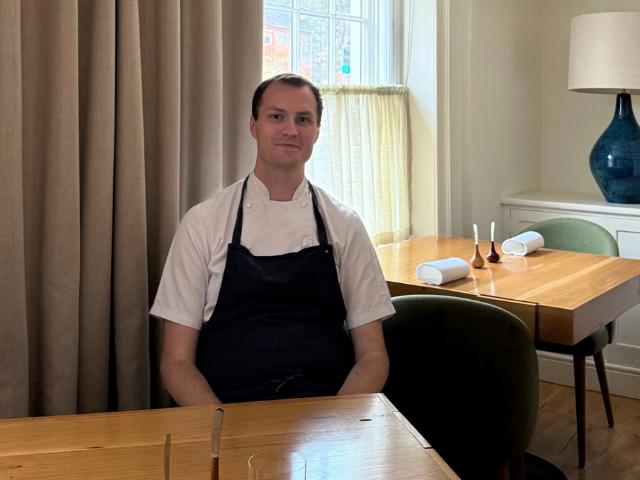
Greg Anderson of Meadowsweet
Famed for service excellence and local produce, Greg shares what makes operating an independent restaurant in North Norfolk so special.

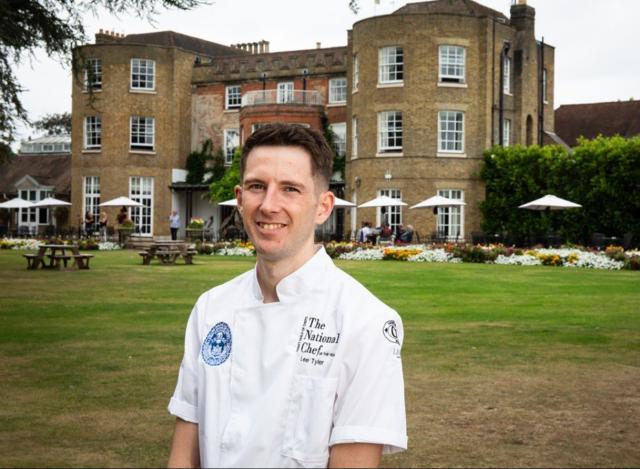
Lee Tyler: from porter to head chef. How his global experience led him to a special Norfolk opportunity
A hidden gem of the Norfolk Broads, Restaurant 1812 is the epitome of fine dining and comfortable guest experience.
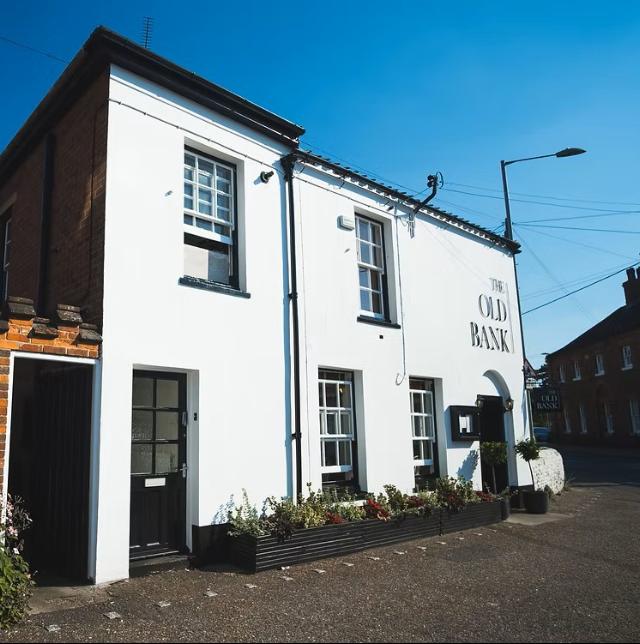
Lewis King: Homegrown ingredients and considered cooking
Passionate and local chef honours classic British food, delivered excellently.
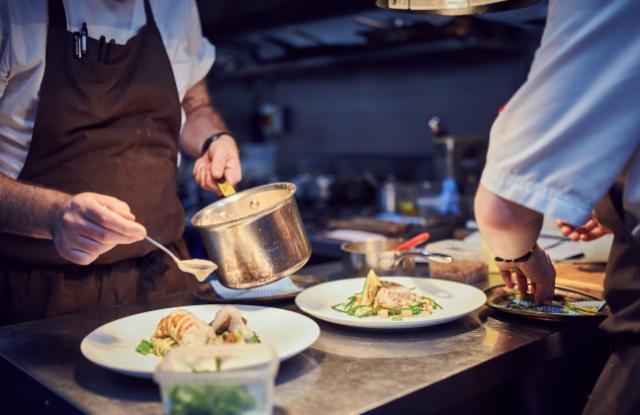
The Restaurant Playbook
Turn Sustainability into Profit - our chefs all agreed that these steps are essential for seeing spend per head rise!
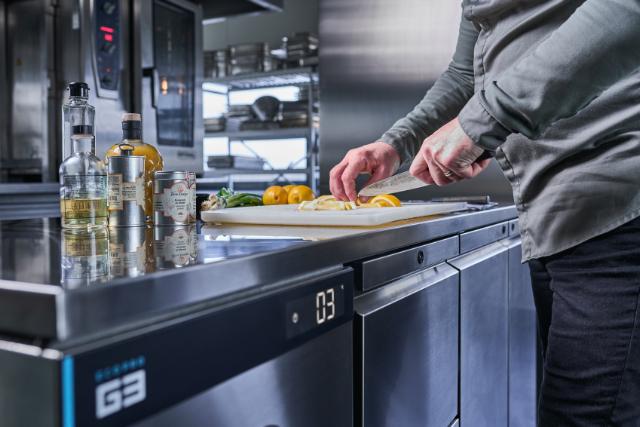
Total cost of ownership
Purchasing new equipment only accounts for 20% of its cost. Smart buyers are now considering why total cost of ownership is the only way to invest in new fridge equipment.
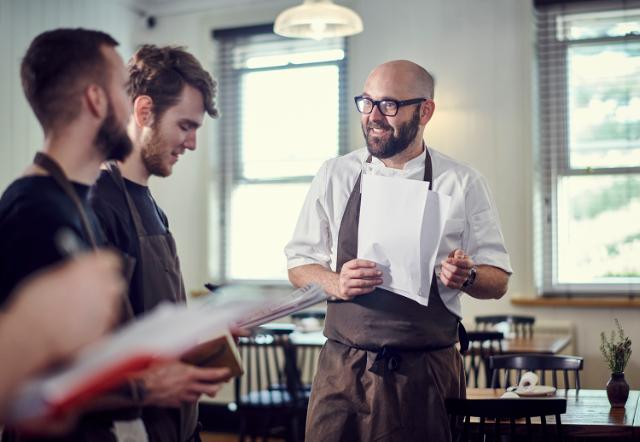
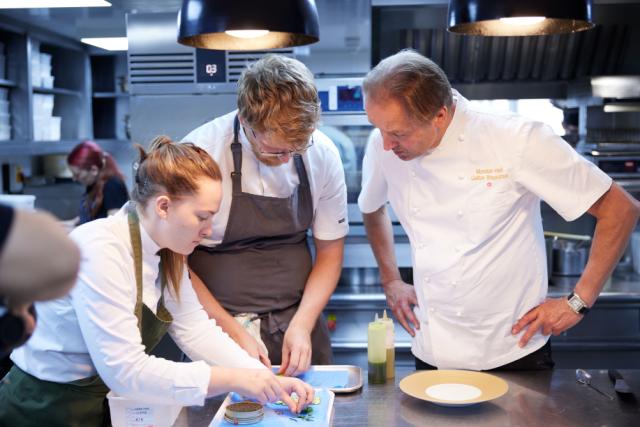
How to Protect Your Cash Flow in a Commercial Kitchen
Cash flow can make or break a hospitality business. Whether you’re navigating tough times or investing in growth, maintaining liquidity is essential.
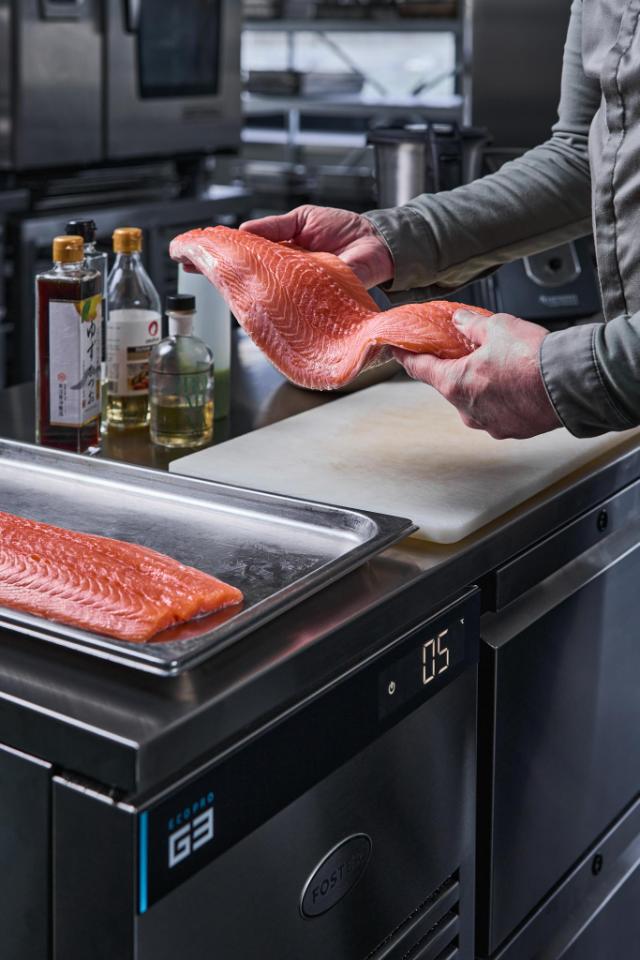
Storing Fish, Meat and Poultry Safely on a Commercial Scale
Food-poisoning bacteria can grow and multiply on some types of food more easily than others. Unfortunately, fish, meat and poultry are among those in this high-risk group.
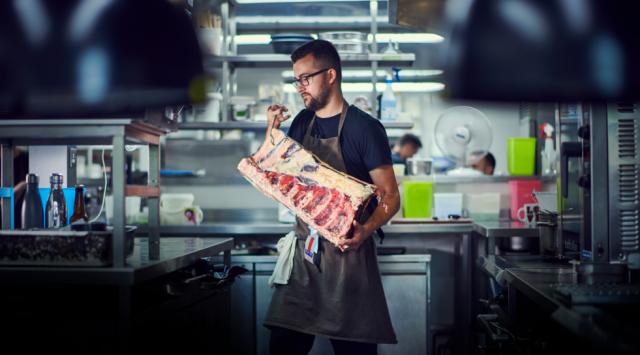
Safe food storage
10 simple guidelines to help you store products safely in your refrigerator