


In conversation with Foster Refrigerator
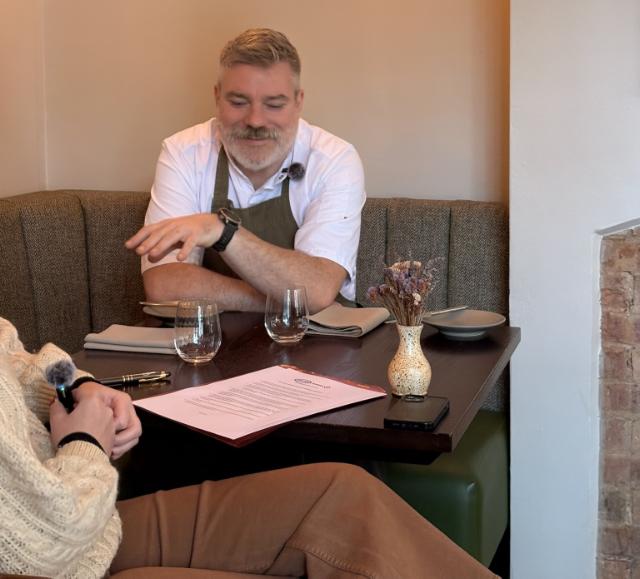
Situated in Snettisham, in the heart of rural Norfolk, The Old Bank has been listed in the Michelin Guide since 2019. We spoke to Chef Patron Lewis King about his accidental entry into cooking, the realities of local sourcing, and why switching to a tasting menu was a business decision as much as a culinary one.
Unlike many of his peers, Lewis King didn’t grow up dreaming of the pass. There was no single mentor or lightning-bolt moment that defined his path. Instead, his career began with a simple need for direction.
“I honestly kind of fell into cooking in my late teens,” Lewis admits. “I just needed some kind of direction in my life. I ended up on a course over at Cambridge, got myself a job, and it kind of spiralled from there.”
Rather than learning from one specific master, Lewis drew inspiration from various kitchens, piecing together a style that is uniquely his own. Together with his partner Aga, he has turned The Old Bank into a celebration of modern European techniques applied to strictly British ingredients.
Homegrown flavours, world-class technique
The food at The Old Bank is described as modern European, drawing on influences from France, Italy, and Spain. However, the soul of the menu is undeniably British.
“The ingredients I like to cook with are just mostly good old familiar British flavours,” Lewis explains. “I think that you can get some of the best food in the world within these borders.”
For Lewis, the decision to buy local isn't just a buzzword. It is a preference for flavour over exoticism.
“I appreciate fruit that comes from the other side of the world. It’s delicious. But I would rather put a strawberry on the menu that's been growing 20 miles up the road.”
The reality of rural sourcing
Operating outside a major metropolitan hub offers benefits, like access to incredible Sharrington strawberries, but it comes with unique logistical ironies.
“We try and buy as locally as we can, but it would surprise people what you can't get around here,” Lewis says. “Fish, for example. Amazing fresh fish is really hard to come by, considering we're four miles from the sea.”
While the local shellfish is incredible, the restaurant sometimes has to look further afield for other catch. It is a constant navigation of availability, proving that "local" is often harder work than it looks.
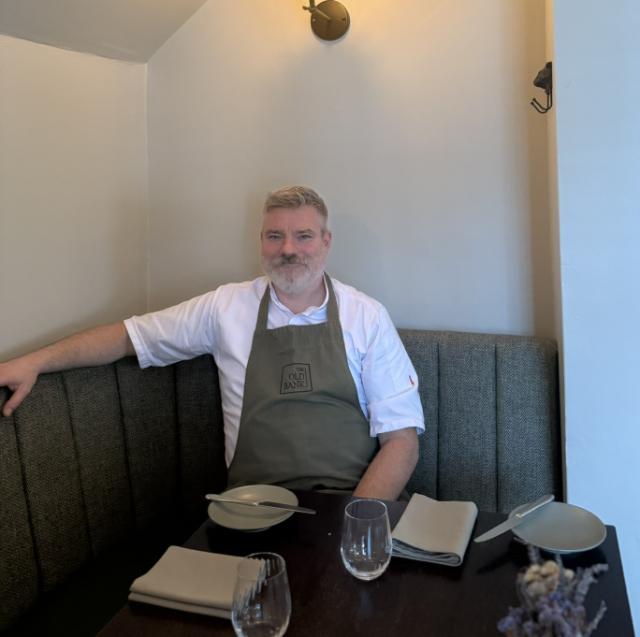
"You get out of bed to pay the bills, but you work through until 11 o' clock at night because you want to make people happy."
Controlling waste through the menu
One of the most significant operational shifts for The Old Bank was the move to a tasting menu format. While this allows for a refined guest experience, Lewis is clear that it is also a rigorous method of cost and waste control.
“We don't have the wastage that can go along with an a la carte menu,” he explains. “We are very selective with what we use. That is the key to being able to do what we do and keep the price where we want it to be.”
In the kitchen, waste reduction is a discipline. Lewis describes a system where virtually nothing hits the bin.
“We’ve got two buckets out the back where all the veg scraps go for composting. Meat trimmings are always incorporated into a dish. When we explain a fish dish, we tell the guest how we’ve made the sauces from the bones and the crab shells. People appreciate knowing that we’ve used everything.”
The motivation to keep pushing
With the rise of food television and social media, Lewis believes diners are now more educated about the sheer effort required to run a restaurant of this calibre. They understand that what arrives on the plate is the result of hours of prep and years of dedication.
Ultimately, despite the long hours and the pressure of maintaining their Michelin Guide listing, the driver for Lewis remains simple.
“You get out of bed to pay the bills,” Lewis says. “But you work through until 11 o'clock at night because you want to make people happy.”
-
Thank you to Lewis and The Old Bank for participating.
This interview was lightly edited for brevity and clarity.
Behind Every Great Chef is Foster
Welcome to Chef’s Corner. A showcase of the people and passion behind Norfolk’s most inspiring eateries.
For over five decades, Foster has proudly served British kitchens, now, we’re celebrating the talent and tenacity that makes them thrive.
Discover More Chef Stories
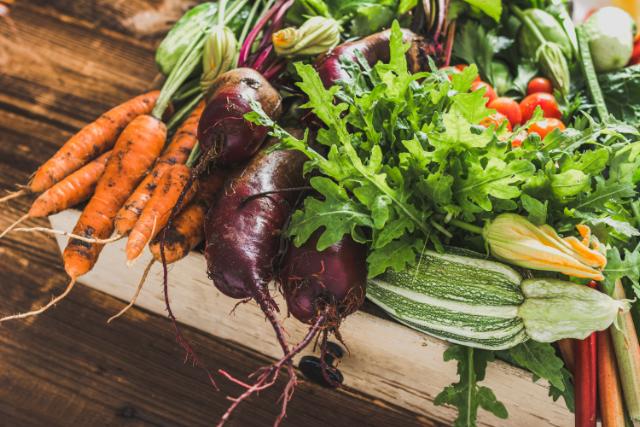
Building an ecosystem: What local sourcing means for rural kitchens
What does 'locally sourced' actually mean? Explore the logistical hurdles, seasonal patience, and community ties defining rural kitchens across North Norfolk.

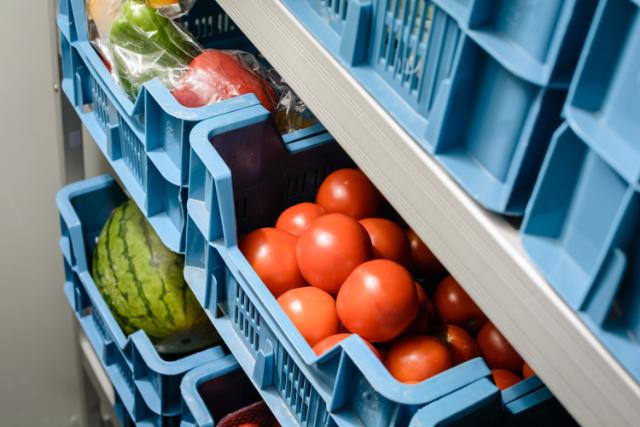
How watching the pennies pays for the perfect plate
Running a commercial kitchen has never been more demanding. With soaring energy costs, unpredictable supply chains, and tightening budgets, operators are constantly looking for ways to protect their cash flow.
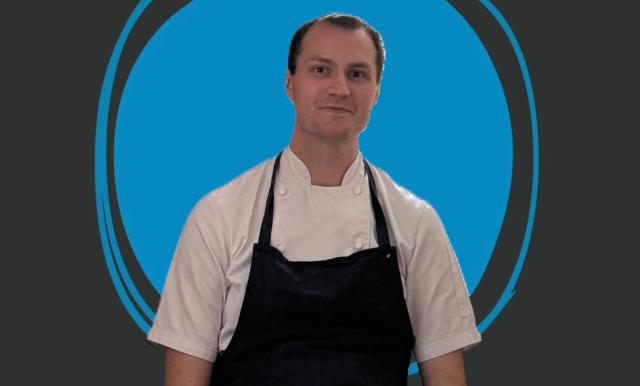
Greg Anderson of Meadowsweet
Famed for service excellence and local produce, Greg shares what makes operating an independent restaurant in North Norfolk so special.


Kevin Mangeolles The Neptune
A corner stone of the Norfolk Coastal dining scene, The Neptune is a long established restaurant operated by Kevin and Jacki, who provide guests with a warm experience and beautiful food.

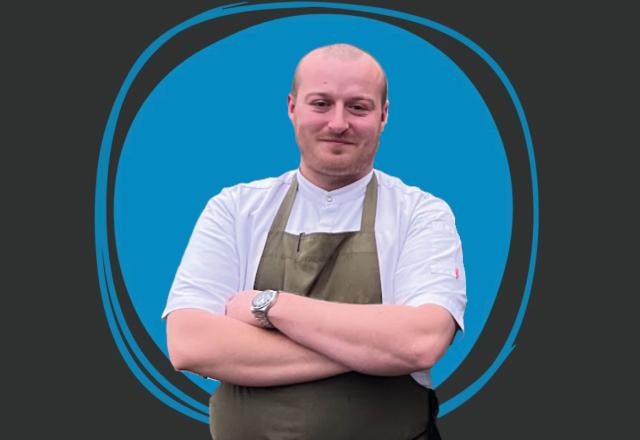
Issac Rushworth Orange Tree
A standout destination on the North Norfolk coast , The Orange Tree in Thornham is driven by Head Chef Isaac and owner Mark , offering diners a focused menu that perfectly balances modern techniques with outstanding local produce.

Daniel Smith The Ingham Swan
Entrepreneur and businessman, Daniel, focuses on an ingredients-led cooking approach to keep his focus.


Lee Tyler Restaurant 1812
A hidden gem of the Norfolk Broads, Restaurant 1812 is the epitome of fine dining and comfortable guest experience.
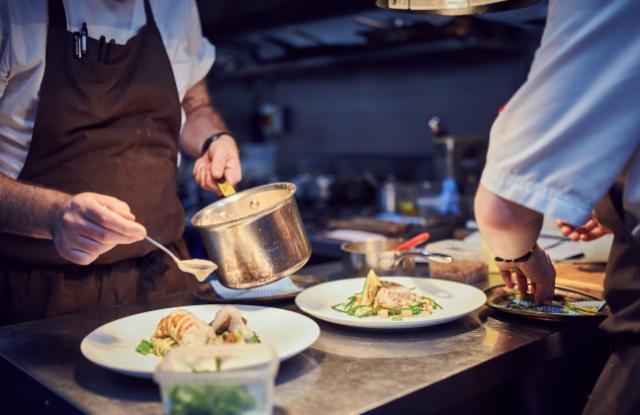
The Restaurant Playbook
Turn Sustainability into Profit - our chefs all agreed that these steps are essential for seeing spend per head rise!
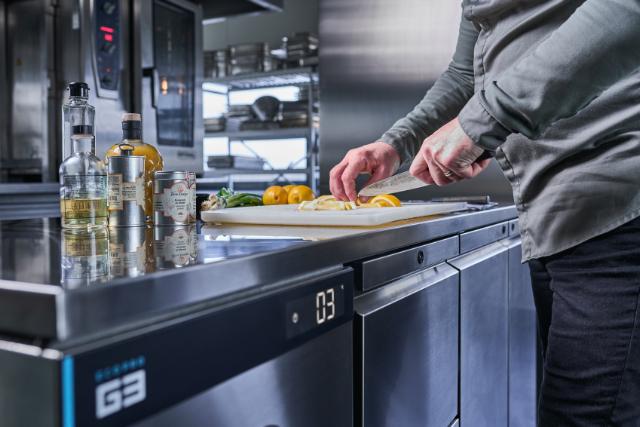
Total cost of ownership
Purchasing new equipment only accounts for 20% of its cost. Smart buyers are now considering why total cost of ownership is the only way to invest in new fridge equipment.