


The unseen economics of fine dining
The reality of modern British fine dining is a tale of two halves. In the dining room, guests experience effortless elegance, seasonal tasting menus, and flawless service. Behind the pass, however, is a relentless and high-pressure environment where margins are fought for on a daily basis.
Running a commercial kitchen has never been more demanding. With soaring energy costs, unpredictable supply chains, and tightening budgets, operators are constantly looking for ways to protect their cash flow. But as we discovered when speaking to some of the region's top culinary talent for our Norfolk Chef Series, the secret to affording world-class ingredients is often found in the most mundane places.
The blue roll budget
For Lee Tyler, Head Chef at Restaurant 1812, maintaining a premium guest experience requires absolute operational discipline. During his recent interview, Lee explained that protecting the food budget means monitoring the kitchen sundries with a hawk's eye.
"You have to really watch what you're ordering. Nothing can go to waste anymore," Lee says. "We really keep on top of it. The less we spend on washing up liquid, blue roll, bin bags, and sponges, the more we can spend on food."
This is the reality of the independent restaurant. Every pound saved on back-of-house operations is a pound that can be reinvested into a better cut of meat, a rarer local ingredient, or a more robust wine list. Operational efficiency directly funds culinary excellence.
Funding the extraordinary
This level of discipline is precisely what allows independent operators to punch above their weight. Greg Anderson, Chef Patron at the Michelin-starred Meadowsweet, understands this tension perfectly. In our conversation with Greg, he highlighted the stark contrast between standard business logic and the pursuit of a truly memorable menu.
"From a purely business point of view, some things we do look absolutely stupid," Greg laughs. "Just this morning, we paid £400 for seasonal citrus fruits, including Buddha’s hand, fresh yuzu, and sudachi. What 20-cover restaurant spends that kind of money on citrus? But that is what makes the food special."
If a kitchen is bleeding money through poor waste management or inefficient equipment, those £400 citrus fruits become impossible to justify. The business must run a tight ship to allow the culinary magic to happen.
Designing waste out of the menu
One of the most effective ways to control the bottom line is to engineer waste completely out of the business model. For Lewis King at The Old Bank, shifting to a tasting menu was a strategic business decision as much as a creative one.
As Lewis noted in his feature story, the traditional a la carte setup leaves kitchens vulnerable to unpredictable stock spoilage and fluctuating daily costs. By limiting the menu, they can control exactly what comes through the back door.
"We don't have the wastage that can go along with an a la carte menu," he explains. "We are very selective with what we use. That is the key to being able to do what we do and keep the price where we want it to be."
This selectiveness extends to every single ingredient. Lewis ensures that meat trimmings are always incorporated into other dishes and that all vegetable scraps go straight to the compost. Even the crab shells and fish bones are carefully repurposed into rich sauces, a zero-waste detail that diners increasingly appreciate.
Kevin Mangeolles at the Michelin-starred Neptune echoes this sentiment. In our interview with Kevin, he stressed that cost control is a fundamental part of any chef's education. Operating a strict four-day week, he relies on precision weekly purchasing rather than bulk ordering. To maximise the lifespan of his local produce, he utilises curing methods and vacuum packing, which he notes is a massive help that buys an extra couple of days of freshness.
"Your waste is something that you always have to look at and manage," Kevin advises. "I learned a lesson early on when a friend opened a restaurant and it closed within six months. He was a brilliant chef, but it doesn't matter how good you are if you're going bust. The first thing is you have to make money to stay in business. After that, you can do what you like."
The invisible sinkhole
While chefs are naturally meticulous about food waste, expertly repurposing shells into stocks or dehydrating offcuts into inventive garnishes, there is often a massive, invisible sinkhole draining the budget right under their noses.
When looking at what most chefs and buyers overlook when developing and maintaining a restaurant kitchen, the running costs of commercial equipment frequently top the list. You can count every single sheet of blue roll, but if your refrigeration is inefficient, you are throwing money away 24 hours a day.
This is where the concept of Total Cost of Ownership becomes critical for hospitality businesses. It is incredibly tempting to look at the sticker price of a new fridge and opt for the cheaper model to save cash today. However, the purchase price is only a fraction of what that unit will cost you over its lifespan. A budget fridge that constantly breaks down or leaks cold air will quickly consume any savings you made on the initial purchase through spoiled stock, expensive engineer call-outs, and inflated electricity bills.
The worst kind of food waste is the kind you never even get to cook. When a cheap compressor fails overnight, you lose your carefully sourced Sharrington strawberries, your line-caught turbot, and your profit margin all at once.
Implementing basic energy-saving tips for restaurants is a great starting point for any operator. Simple habits like regular cleaning, checking door seals, and ensuring adequate ventilation can make a noticeable difference to your monthly bills. But ultimately, investing in premium, highly efficient refrigeration is the most reliable way to protect your margins long-term. When your equipment runs efficiently and holds temperatures perfectly during the heat of a busy service, your ingredients last longer and your overheads shrink.
Efficiency breeds creativity
The ultimate lesson from Norfolk's finest kitchens is clear. Operational efficiency is not the enemy of creativity. It is the very foundation that supports it.
By keeping a tight grip on the unglamorous side of the business, from the bin bags and the washing up liquid to the reliability of the refrigeration, these chefs have bought themselves the freedom to innovate. Staying in business is rule number one. Once you master that, you earn the privilege to focus on what truly matters: putting a perfect plate of food in front of your guests.
Behind Every Great Chef is Foster
Welcome to Chef’s Corner. A showcase of the people and passion behind Norfolk’s most inspiring eateries.
For over five decades, Foster has proudly served British kitchens, now, we’re celebrating the talent and tenacity that makes them thrive.
Discover More Chef Stories

Building an ecosystem: What local sourcing means for rural kitchens
What does 'locally sourced' actually mean? Explore the logistical hurdles, seasonal patience, and community ties defining rural kitchens across North Norfolk.

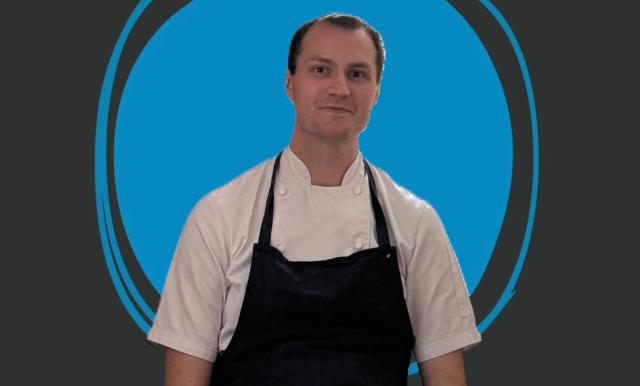
Greg Anderson of Meadowsweet
Famed for service excellence and local produce, Greg shares what makes operating an independent restaurant in North Norfolk so special.

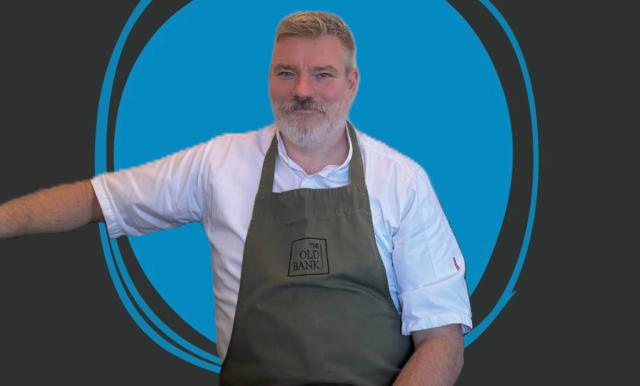
Lewis King The Old Bank
Passionate and local chef honours classic British food, delivered excellently.


Kevin Mangeolles The Neptune
A corner stone of the Norfolk Coastal dining scene, The Neptune is a long established restaurant operated by Kevin and Jacki, who provide guests with a warm experience and beautiful food.

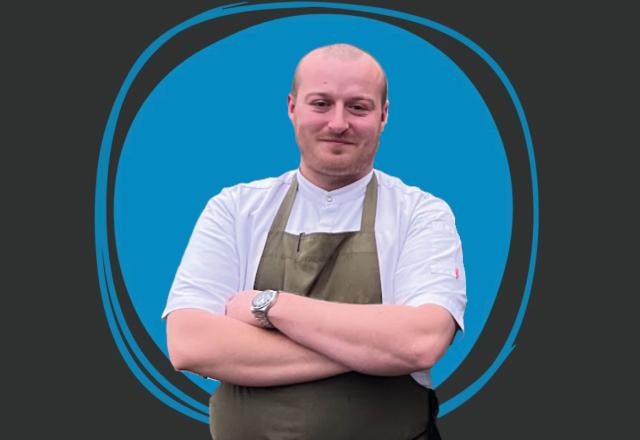
Issac Rushworth Orange Tree
A standout destination on the North Norfolk coast , The Orange Tree in Thornham is driven by Head Chef Isaac and owner Mark , offering diners a focused menu that perfectly balances modern techniques with outstanding local produce.

Daniel Smith The Ingham Swan
Entrepreneur and businessman, Daniel, focuses on an ingredients-led cooking approach to keep his focus.

Lee Tyler Restaurant 1812
A hidden gem of the Norfolk Broads, Restaurant 1812 is the epitome of fine dining and comfortable guest experience.
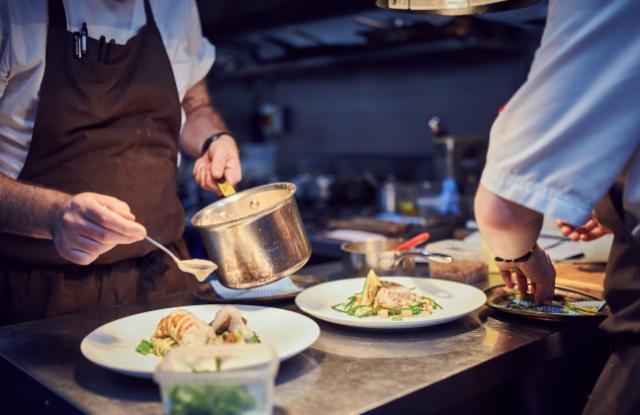
The Restaurant Playbook
Turn Sustainability into Profit - our chefs all agreed that these steps are essential for seeing spend per head rise!
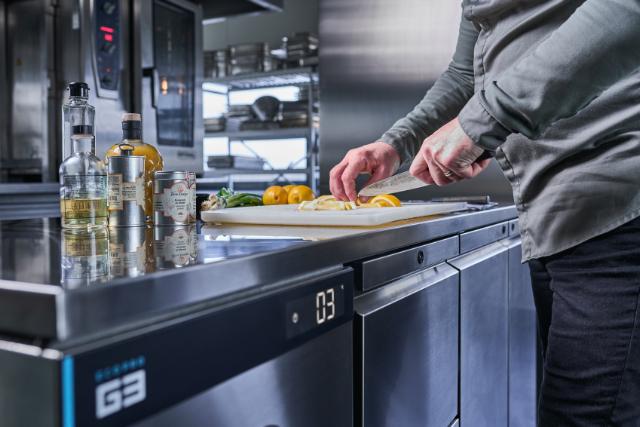
Total cost of ownership
Purchasing new equipment only accounts for 20% of its cost. Smart buyers are now considering why total cost of ownership is the only way to invest in new fridge equipment.