


Daniel Smith: The business of consistency and the evolution of The Ingham Swan
Emma Stone
03 February 2026
Jump to section:
In conversation with Foster Refrigerator
With a career spanning Le Gavroche to the Great British Menu, Daniel Smith has established The Ingham Swan as a cornerstone of the North Norfolk dining scene. We sat down with the Chef Patron to discuss his transition from the pass to the boardroom, the resilience required to overcome a devastating fire, and why he describes himself as the "Porsche 911" of chefs.
Daniel Smith is not your typical Chef Patron. While his CV boasts time at culinary institutions like Le Gavroche and Morston Hall, his conversation is peppered as much with talk of "assets," "liabilities," and "exit strategies" as it is with ingredients and seasons.
He is a man who understands that culinary talent alone does not keep the lights on. It is this pragmatism, combined with undeniable skill, that has seen him build a portfolio including The Wildebeest and the multi-award-winning Ingham Swan.
“I sell myself as a full-time psychiatrist, part-time businessman, and occasional chef,” Daniel jokes, highlighting the reality of managing large teams across busy venues. “But somehow, I still cook 50 hours a week.”
The "911" Philosophy
In an era where many chefs chase trends or attempt avant-garde techniques to stand out, Daniel’s philosophy is grounded in reliability and high performance. He uses an automotive analogy to explain his position in the market.
“I sell myself as being the Porsche 911 of chefs,” he explains. “It might not be the absolute pinnacle—I’m not a Bugatti or a Pagani Zonda—but a 911 is a sustainable, reliable, high-quality product. To be a 911 is like being a one-star restaurant that is really busy. It’s about consistency.”
This mindset drives his menu development. He is critical of chefs who let their egos complicate the plate.
“Why start putting kale on steak and chips? Who does that?” he asks. “Sometimes chefs get way too involved. I just want to get a lovely piece of meat, cook it perfectly, serve it in a great setting, and enjoy it. The simpler things delivered to a high level will always outperform the over-complicated.”
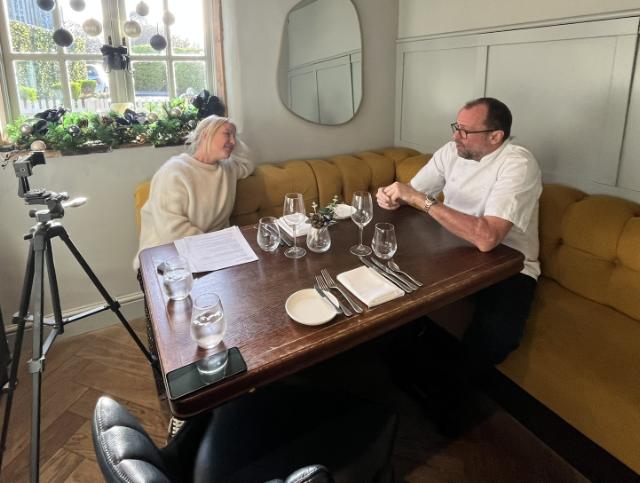
Resilience in the face of disaster
Daniel’s tenure at The Ingham Swan hasn’t been without its challenges. Shortly after acquiring the freehold, he faced a succession of personal and professional hurdles, including the passing of his father and a catastrophic fire in 2017 that destroyed the kitchen and restaurant.
“It was carnage,” Daniel admits. “We lost the whole lot. And then, two years later, we had Covid.”
However, Daniel views these adverse conditions as a test of business fitness. During the pandemic, while others paused, he innovated, launching a high-end "dine at home" service that became a local phenomenon.
“I’m not the kind of guy that stands still,” he says. “We set up an online ordering system and we were doing 250 meals a day—Beef Wellingtons, half lobsters. We won awards for it. Innovation isn't always about adjusting your food; sometimes it’s about adjusting the mindset of how you deliver it.”
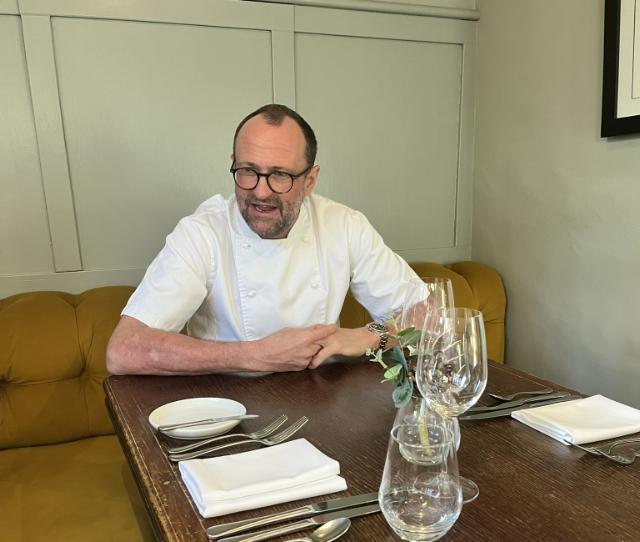
Meet the Chef: Daniel Smith
Daniel Smith is Chef Patron of The Ingham Swan and a former competitor on Great British Menu.
Trained in leading kitchens including Le Gavroche, he combines classical technique with strong commercial acumen, championing ingredient-led cooking and resilient leadership.
The importance of the 'Succession Plan'
Having reached a point in his career where he focuses on "working on the business as much as in it," Daniel places immense value on his team. He speaks with pride about the "succession plan"—the portfolio of chefs who have trained under him and gone on to achieve their own success, including Lee Tyler at Restaurant 1812 and Liam Nichols at Store.
“I couldn’t do this without the people,” Daniel says. “They are the most important thing. I find it most rewarding when they are successful. I’ve got a massive portfolio of chefs that have been a succession plan of what I’ve achieved in my career.”
His advice to young chefs entering the industry is stark but grounded in experience.
“Do you want to be overworked and underpaid for the first ten years of your career, to be underworked and overpaid for the remaining thirty?” he asks.
“You have to put the work in early. I worked 90 hours a week when I first took this on. We lived here for free to save money. It wasn’t about the money then; it was about the energy it gave you.”
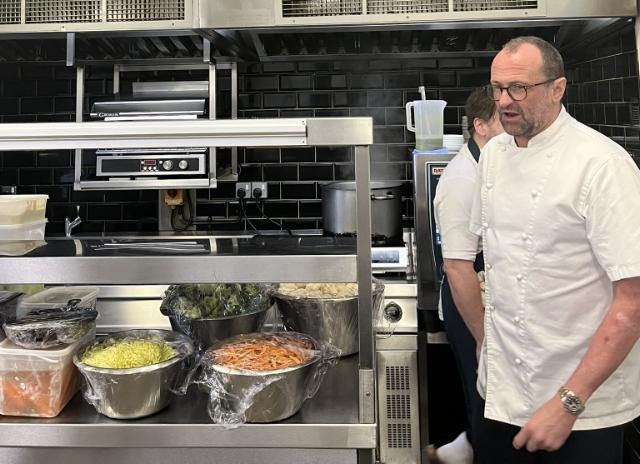
The business of over-delivering
Today, The Ingham Swan operates seven days a week, serving breakfast, lunch, and dinner. It is a high-volume operation that refuses to compromise on quality, making its own bread, chocolates, and smoked products daily.
For Daniel, the secret to longevity in a difficult economic climate is simple: give the customer more than they expect.
“We need to exceed people’s expectations,” he asserts. “Whether I’m selling a bedroom, a glass of wine, or a plate of food. Anyone can be a busy fool, but I don’t want to be a fool. We focus on added value—giving the guest extras they didn’t pay for, like pre-starters and homemade bread. That is how you ensure they return.”
Behind Every Great Chef is Foster
Welcome to Chef’s Corner. A showcase of the people and passion behind Norfolk’s most inspiring eateries.
For over five decades, Foster has proudly served British kitchens, now, we’re celebrating the talent and tenacity that makes them thrive.
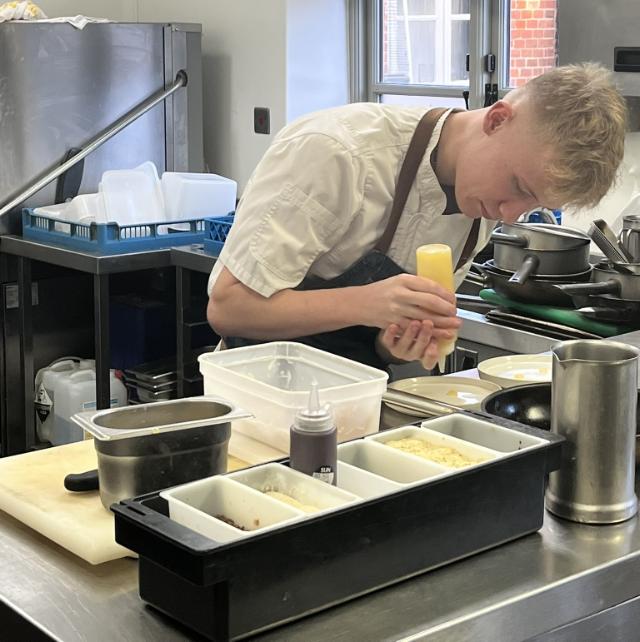
Ultimately, Daniel’s drive comes from a desire to maintain the legacy he has built, ensuring the business remains robust enough to give him choices in the future.
“Money doesn’t buy happiness,” Daniel concludes.
“But it gives you choices. And right now, I want a busy, happy restaurant with staff showing flair and guests wanting to come back.”
-
Thank you to Daniel and The Ingham Swan for participating.
This interview was lightly edited for brevity and clarity.
Discover More Chef Stories
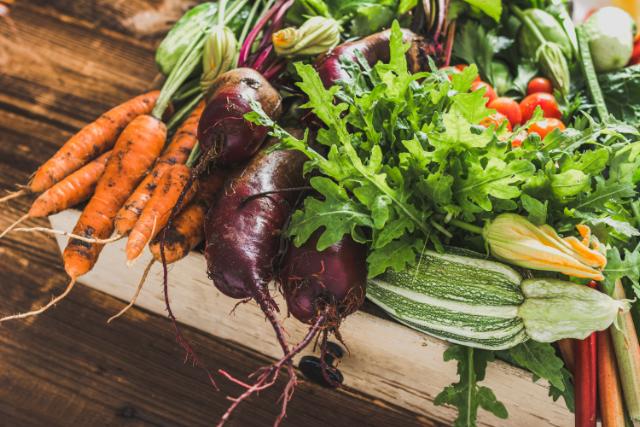
Building an ecosystem: What local sourcing means for rural kitchens
What does 'locally sourced' actually mean? Explore the logistical hurdles, seasonal patience, and community ties defining rural kitchens across North Norfolk.

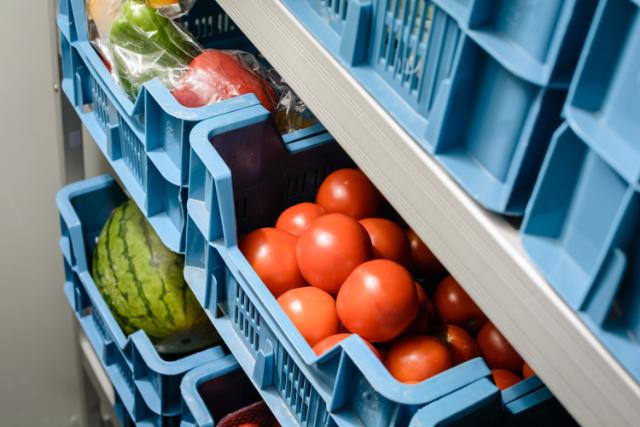
How watching the pennies pays for the perfect plate
Running a commercial kitchen has never been more demanding. With soaring energy costs, unpredictable supply chains, and tightening budgets, operators are constantly looking for ways to protect their cash flow.
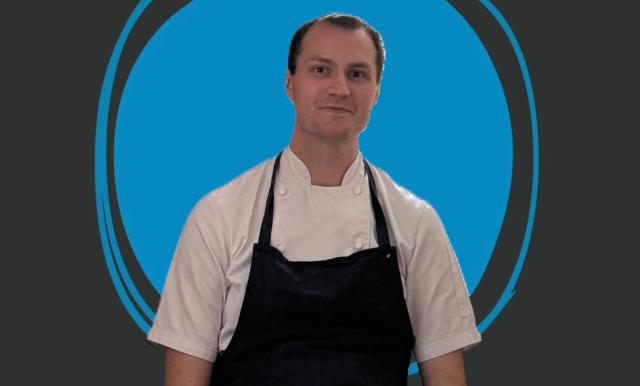
Greg Anderson of Meadowsweet
Famed for service excellence and local produce, Greg shares what makes operating an independent restaurant in North Norfolk so special.

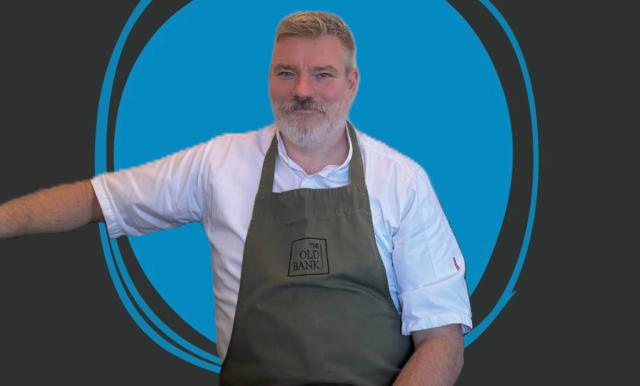
Lewis King The Old Bank
Passionate and local chef honours classic British food, delivered excellently.

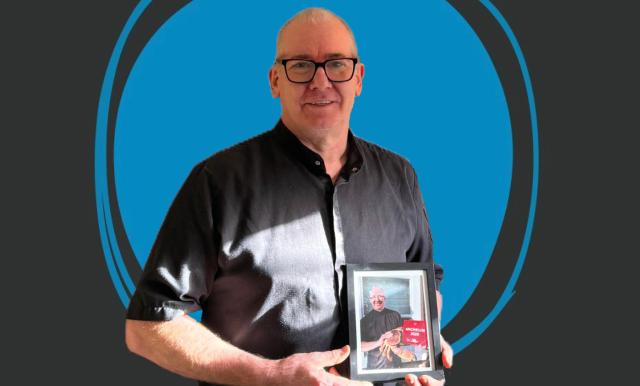
Kevin Mangeolles The Neptune
A corner stone of the Norfolk Coastal dining scene, The Neptune is a long established restaurant operated by Kevin and Jacki, who provide guests with a warm experience and beautiful food.

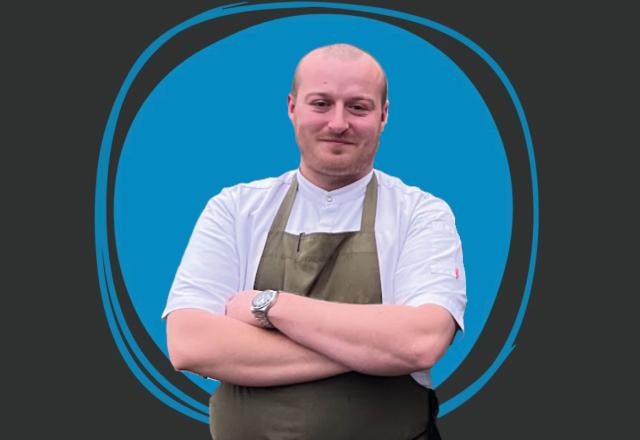
Issac Rushworth Orange Tree
A standout destination on the North Norfolk coast , The Orange Tree in Thornham is driven by Head Chef Isaac and owner Mark , offering diners a focused menu that perfectly balances modern techniques with outstanding local produce.

Lee Tyler Restaurant 1812
A hidden gem of the Norfolk Broads, Restaurant 1812 is the epitome of fine dining and comfortable guest experience.
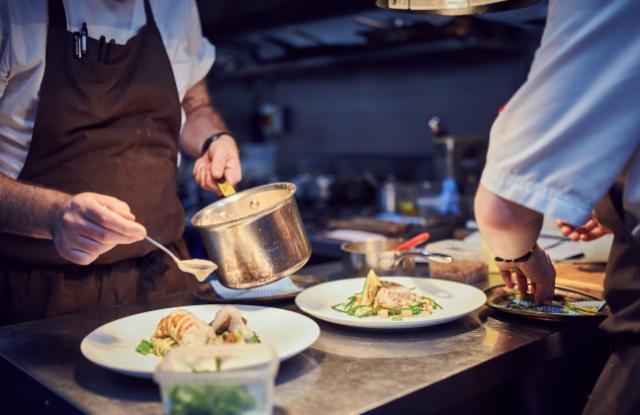
The Restaurant Playbook
Turn Sustainability into Profit - our chefs all agreed that these steps are essential for seeing spend per head rise!
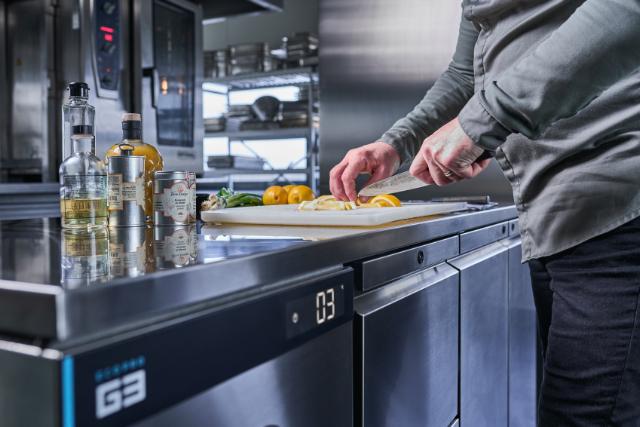
Total cost of ownership
Purchasing new equipment only accounts for 20% of its cost. Smart buyers are now considering why total cost of ownership is the only way to invest in new fridge equipment.