


Building an ecosystem: What local sourcing means for rural kitchens
Kirsty MacLeod
07 May 2026
How relationships and the unpredictable rhythms of nature define the modern rural kitchen
The phrase locally sourced is printed on menus in every major city. For many urban restaurants, it means ordering from a curated list of artisanal suppliers through a convenient app. However, step outside the metropolitan bubbles and into the rural landscapes of regions like North Norfolk, and the romance of local sourcing quickly meets the gritty logistical reality of running a commercial kitchen.
We spent the last few months speaking to some of the region's top culinary talent for our Chef’s Corner series. Through these conversations, a clear picture emerged. True local sourcing is not a marketing buzzword. It is a daily challenge of navigating the weather, trusting your suppliers, and respecting the unpredictable rhythms of nature.
The irony of rural geography
There is an assumption that setting up a restaurant in the heart of the countryside or right on the coast means an endless, effortless bounty of fresh ingredients arriving at the back door. The reality is often quite the opposite.
Operating outside a major hub offers incredible benefits, but it comes with unique logistical hurdles. During his feature interview, Lewis King of The Old Bank explained the surprising difficulties of sourcing produce in a rural village.
"We try and buy as locally as we can, but it would surprise people what you can't get around here," Lewis notes. "Fish, for example. Amazing fresh fish is really hard to come by, considering we're four miles from the sea."
While the local shellfish is unparalleled, Lewis frequently has to navigate availability issues and look slightly further afield for other catches. It proves that local sourcing is an active, ongoing effort rather than a guaranteed convenience.
The North Norfolk coastal pantry
When the stars align and the local harvest is ready, the results are spectacular. For Isaac Rushworth, Head Chef at The Orange Tree, the immediate geographical location is the driving force behind his entire menu.
Speaking to Foster Refrigerator, Isaac highlighted how heavily his kitchen relies on the immediate surroundings to deliver exceptional flavour.
"We wouldn't be where we are if it weren't for local suppliers," Isaac states. "We are very, very lucky to be where we are on the North Norfolk coast. We've got some of the best produce in the world here, like the Brancaster mussels."
This reliance on hyper-local ingredients gives his menu incredible agility, allowing his team to swap dishes the moment a fresh catch arrives, ensuring diners always get ingredients at their absolute peak.
Waiting for the harvest
One of the most profound differences between urban ordering and rural sourcing is the surrender of control. You cannot force a menu change just because the calendar says it is October. You have to wait for nature to deliver.
Kevin Mangeolles at the Michelin-starred Neptune operates with a profound respect for this natural timeline. Rather than demanding ingredients on a specific date, he waits for his trusted producers to give the green light. In his Chef’s Corner Q&A, he shared his philosophy on patience.
"You can buy anything you want anywhere in the world, but it is different when you deal with producers that rock up on your door," Kevin explains. "I'm prepared to wait until [their] mussels are ready because I don't want to get them prematurely."
This discipline ensures that no ingredient hits the plate until it is perfectly ready, elevating the dining experience far beyond forced, out-of-season dishes.
Building genuine friendships
When you rely this heavily on the land and sea, sourcing stops being a transaction and becomes an ecosystem. You are no longer just buying ingredients; you are investing in your neighbours.
Greg Anderson at Meadowsweet understands this ecosystem perfectly. In his interview, he explained how his suppliers are an extension of his own kitchen team.
"The relationships are everything," Greg says. "John the fishmonger is literally 100 metres away. He introduced me to Henry, who brings us lobsters and crabs every day. Henry even brings his little boy when he delivers. We always try to look after our suppliers, and they look after us."
This community spirit is the true hallmark of rural hospitality. You cannot create a Michelin-starred menu without incredible produce, and you cannot get incredible produce without mutual respect.
Protecting the investment
When chefs go to these lengths to source the very best local ingredients, waiting patiently for micro-seasons and building years of trust with local farmers, protecting that produce becomes the most critical job in the kitchen.
When you buy small, seasonal batches directly from the grower, you simply cannot afford for your equipment to let you down. This is where commercial reliability steps in. Investing in highly efficient, temperature-stable Foster refrigeration ensures that the hard-won freshness of a Brancaster mussel or a locally grown strawberry is perfectly preserved until the moment it hits the plate.
True local sourcing takes immense effort, patience, and dedication. By pairing that passion with the right storage solutions, chefs can ensure that none of that hard work goes to waste.
Behind Every Great Chef is Foster
Welcome to Chef’s Corner. A showcase of the people and passion behind Norfolk’s most inspiring eateries.
For over five decades, Foster has proudly served British kitchens, now, we’re celebrating the talent and tenacity that makes them thrive.
Discover More Chef Stories
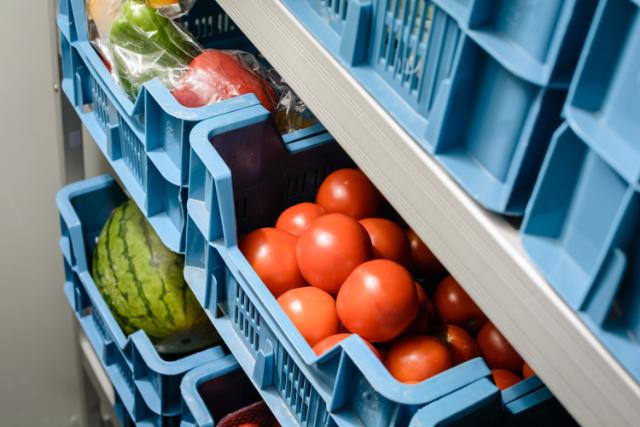
How watching the pennies pays for the perfect plate
Running a commercial kitchen has never been more demanding. With soaring energy costs, unpredictable supply chains, and tightening budgets, operators are constantly looking for ways to protect their cash flow.

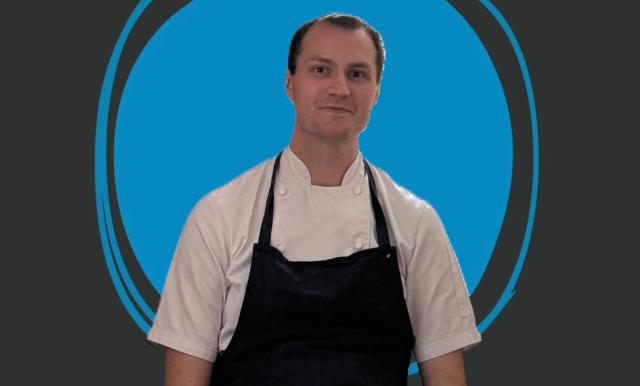
Greg Anderson of Meadowsweet
Famed for service excellence and local produce, Greg shares what makes operating an independent restaurant in North Norfolk so special.

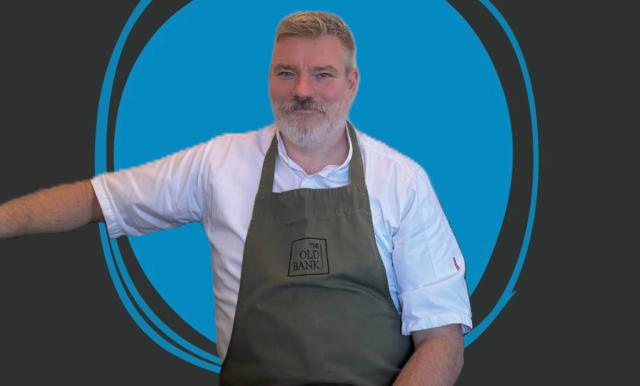
Lewis King The Old Bank
Passionate and local chef honours classic British food, delivered excellently.


Kevin Mangeolles The Neptune
A corner stone of the Norfolk Coastal dining scene, The Neptune is a long established restaurant operated by Kevin and Jacki, who provide guests with a warm experience and beautiful food.

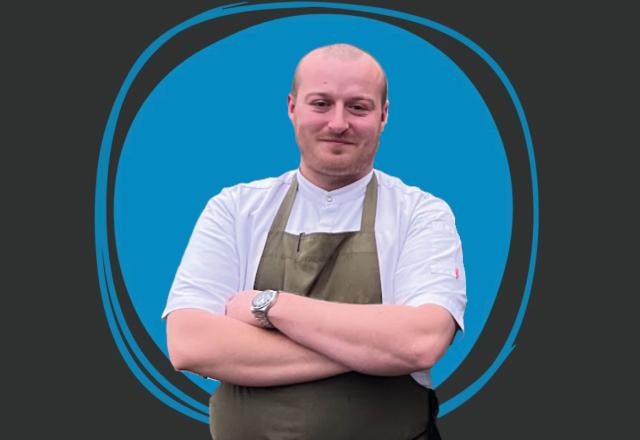
Issac Rushworth Orange Tree
A standout destination on the North Norfolk coast , The Orange Tree in Thornham is driven by Head Chef Isaac and owner Mark , offering diners a focused menu that perfectly balances modern techniques with outstanding local produce.

Daniel Smith The Ingham Swan
Entrepreneur and businessman, Daniel, focuses on an ingredients-led cooking approach to keep his focus.

Lee Tyler Restaurant 1812
A hidden gem of the Norfolk Broads, Restaurant 1812 is the epitome of fine dining and comfortable guest experience.
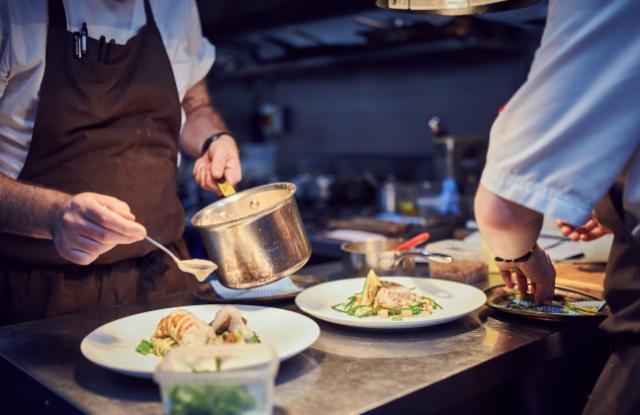
The Restaurant Playbook
Turn Sustainability into Profit - our chefs all agreed that these steps are essential for seeing spend per head rise!
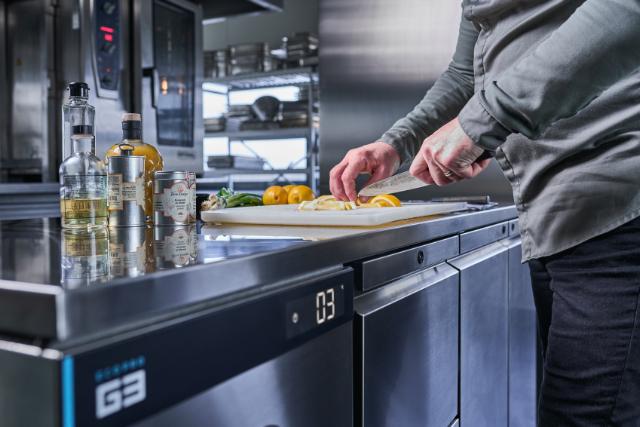
Total cost of ownership
Purchasing new equipment only accounts for 20% of its cost. Smart buyers are now considering why total cost of ownership is the only way to invest in new fridge equipment.